


Humanitarian action involves immediate emergency actions that address significant needs for protection, health, water, hygiene and sanitation that emerge as a result of either a conflict or disaster.
Article date
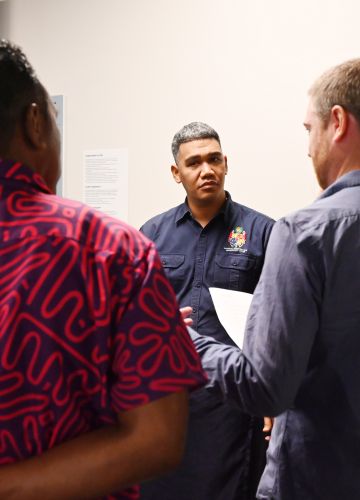
The Indo-Pacific is the world’s most disaster-prone region. The increasing frequency and severity of natural disasters requires government agencies, militaries and NGOs to consider how they can better prepare and respond to crises together.
Article date
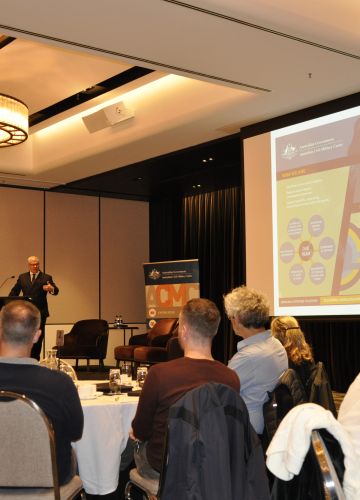
Public servants from the Australian and New Zealand governments, and civil society personnel attended the two-day Civil-Military-Police Interaction Workshop (CMPIW) in Canberra on 18 and 19 June. The aim of the CMPIW was to build capacity and knowledge among mid-career professionals by exposing delegates to a range of tools, exercises and case studies on civil-military-police coordination.
Article date
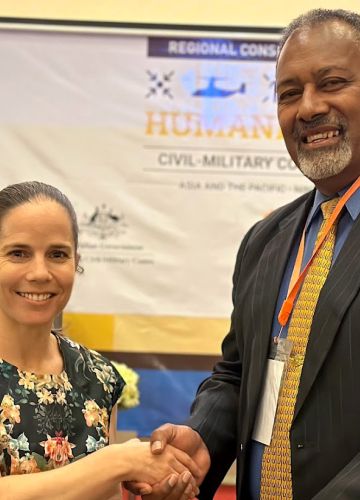
ACMC is the co-secretariat of RCG, along with the United Nations Office for the Coordination of Humanitarian Affairs and the US Centre for Excellence in Disaster Management and Humanitarian Assistance.
Published
Humanitarian Spaces: Understanding Military-NGO Interaction in Conflict and Disaster
This paper discusses the need for improved understanding of the challenges and opportunities faced before outlining a study that has commenced to understand and improve interaction between NGOs and militaries.
Published
Australian Guidelines for the Protection of Civilians
A whole-of-government perspective on the Protection of Civilians (POC) in international situations of armed conflict and other situations of violence.
Published
ASEAN-Australian Women, Peace and Security Dialogue
The United Nations’ Women, Peace and Security (WPS) agenda has emerged over the past decade and a half as a significant cross-cutting thematic program for achieving global peace and security.
Article date
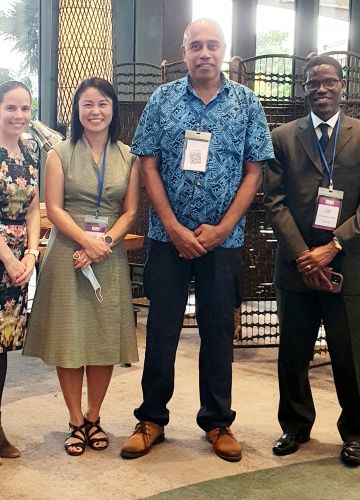
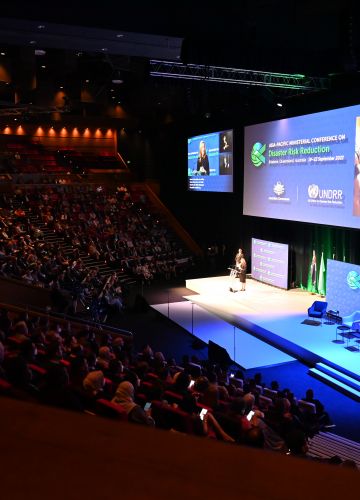
The Australian Civil Military Centre conducted stakeholder engagement and outreach at the Asia Pacific Ministerial Conference on Disaster Risk Reduction (APMCDRR), held in Brisbane, September 2022.
Quick Impact Workshop – Outcomes Early considerations on civil-military responses to emerging diseases - Ebola as a case study
In August 2014, the United Nations (UN) Security Council declared the Ebola virus outbreak in the West African subregion a ‘threat to international peace and security’. The UN’s request for assistance from member states resulted in the mobilisation of technical expertise, medical capacity, humanitarian assistance, and military and civil defence assets.