


Humanitarian action involves immediate emergency actions that address significant needs for protection, health, water, hygiene and sanitation that emerge as a result of either a conflict or disaster.
Published
Social Media in Complex Emergencies: A Rapid Guide
The Communication and Complex Emergencies Project is a multi-phase collaboration between the University of Adelaide’s Applied Communication Collaborative Research Unit and the Australian Civil-Military Centre.
Published
Wikis and Knowledge Management in Complex Emergencies
The Communication and Complex Emergencies Project is a multi-phase collaboration between the University of Adelaide’s Applied Communication Collaborative Research Unit and the Australian Civil-Military Centre.
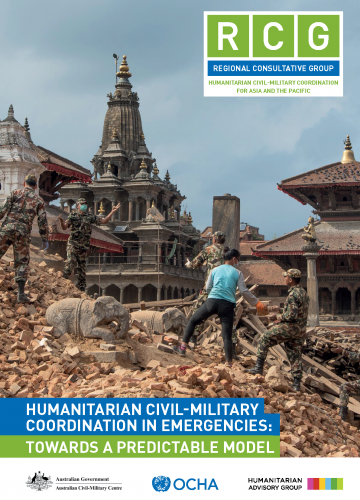
Humanitarian Civil-Military Coordination in Emergencies: Towards a predictable Model
A focus on the coordination of operational planning between civilian and military actors in priority countries in the region–Bangladesh, Nepal, Indonesia, Myanmar and the Philippines.
Published
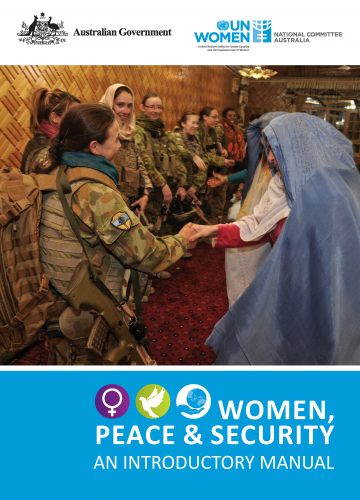
Women, Peace and Security: An Introductory Manual
Women’s leadership and collective action have changed the world by combatting violence against women and building equality. Women’s leadership is central to reconciliation and conflict resolution and to peacebuilding efforts that bring results for families and communities.
Quick Impact Workshop – Outcomes Early considerations on civil-military responses to emerging diseases (Ebola as a case study)
In August 2014, the United Nations (UN) Security Council declared the Ebola virus outbreak in the West African subregion a ‘threat to international peace and security’. The UN’s request for assistance from member states resulted in the mobilisation of technical expertise, medical capacity, humanitarian assistance, and military and civil defence assets.
Quick Impact Workshop – Outcomes Post Tropical Cyclone Pam Roundtable with Civil Society
Tropical Cyclone Pam hit Vanuatu and surrounds in March 2015. The Department of Foreign Affairs and Trade (DFAT) led the Australian response, which also involved significant Defence engagement and the substantial use of military assets.
Article date
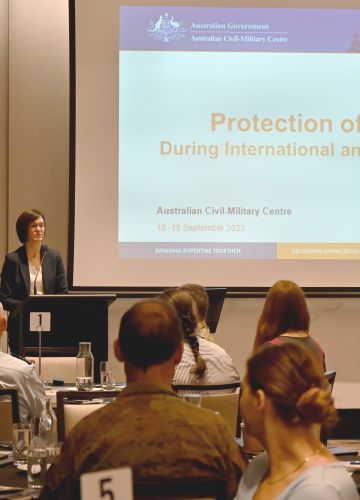
ACMC convened a workshop to consider the changing context of Protection of Civilians (POC) and identify emerging challenges and avenues to minimise the risk to civilians in crisis.
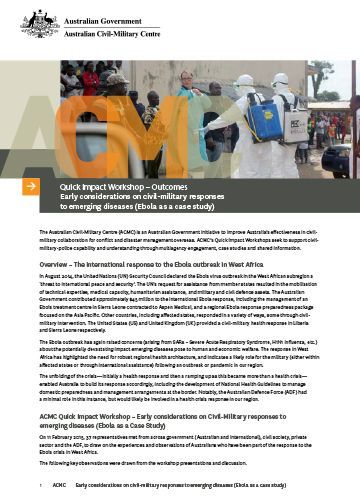
Quick Impact Workshop – Outcomes Early considerations on civil-military responses to emerging diseases - Ebola as a case study
In August 2014, the United Nations (UN) Security Council declared the Ebola virus outbreak in the West African subregion a ‘threat to international peace and security’. The UN’s request for assistance from member states resulted in the mobilisation of technical expertise, medical capacity, humanitarian assistance, and military and civil defence assets.