


Humanitarian action involves immediate emergency actions that address significant needs for protection, health, water, hygiene and sanitation that emerge as a result of either a conflict or disaster.
Published
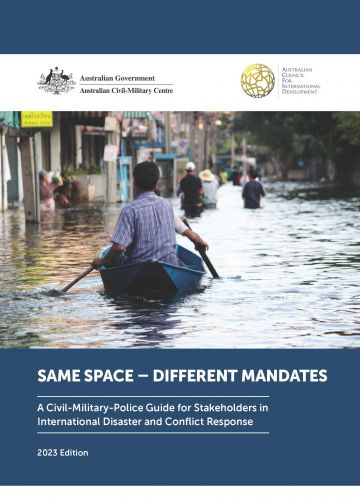
Same Space - Different Mandates
Same Space – Different Mandates aims to improve the collective understanding of civil, military and police stakeholders responding to international disasters and complex emergencies. This revised 2023 edition incorporates emerging concepts and practice to ensure accuracy and future value.
Published
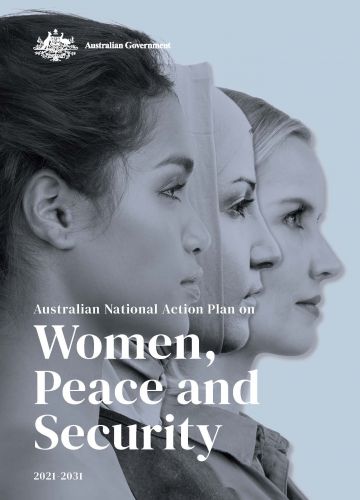
Australian National Action Plan on Women, Peace and Security 2021-2031
We need the powerful outcomes generated by the United Nations Security Council’s Women, Peace and Security agenda to assist us as we reconstitute our societies and institutions, and as we resist the temptation to allow conflict to take root in the uncertainty we are all facing.
Civil Society Engagement Adviser
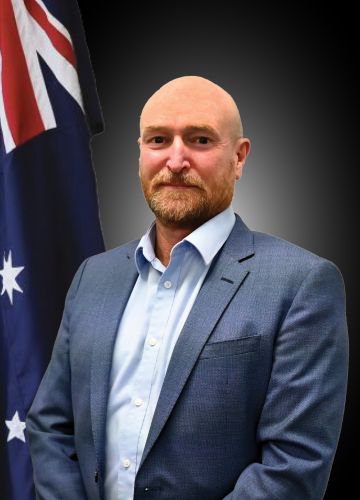
Tim Anderson
The ACFID seconded Civil Society Engagement Adviser to the Australian Civil-Military Centre contributes to the advancement of national capabilities to prevent, prepare for and respond more effectively to humanitarian crises through advancements in civil-military-police engagement. Building upon the partnership approach to civil-military-police engagement, the Civil Society Engagement Advisor convenes, facilitates dialogue, and provides policy advice to the stakeholder networks of both ACFID and the ACMC to strengthen understanding of the role, mandate and guiding principles of NGO engagement in humanitarian action.
Published
Same Space - Different Mandates (International Edition)
A Civil-Military-Police Guide to Stakeholders in International Disaster and Conflict Response.
Article date
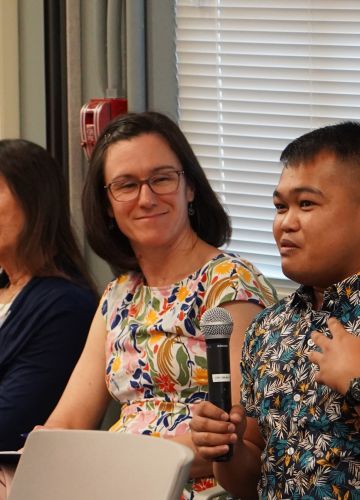
ACMC’s Executive Director Nicola Rosenblum and Director International and Domestic Engagement, Peter Giugni led a session on developments in civil, military and police coordination in the Pacific and how Australia is working with partners to build regional HADR capabilities.
Published
Civil-Military-Police Language Guide: Promoting shared understanding
The civil-military-police community is as diverse as it is broad. It contains a wide range of actors who employ a variety of methodologies and techniques, use unique equipment and often pursue different objectives in service of different masters.
Published
Gendered Crises, Gendered Responses
The Necessity and Utility of a Gender Perspective in Armed Conflicts and Natural Disasters: An Introductory Overview.
Published
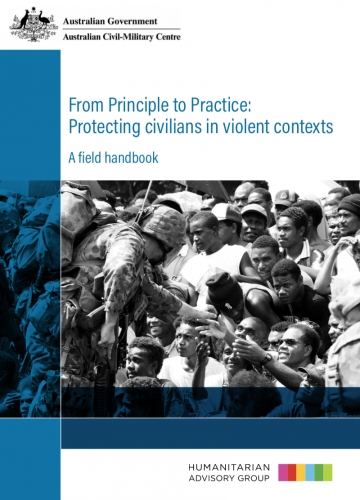
From Principle to Practice: Protecting civilians in violent contexts
Following on from the ACMC Australian Guidelines for the Protection of Civilians (2015) this handbook aims to provide the ‘what’, the ‘why’ and the ‘how’ of protecting civilians in violent contexts and is intended for people working at the operational level including government, NGOs, UN and other organisations.